2/15/26
Good food, good mood
Whether it’s a restaurant manager, a shift supervisor, or an employee who volunteered to “fill in the gaps” with suppliers — everyone can agree on one thing: no one enjoys manually typing data into a system.
That’s exactly why we developed our new feature, Zestt’s smart scanning tool. It’s a solution that turns one of the most tedious processes — goods receiving — into one of the simplest and most efficient.
So how does it actually work, and why can it change the way you manage your restaurant?
How Can You Incorporate This into the Menu?
Colors that ignite the imagination
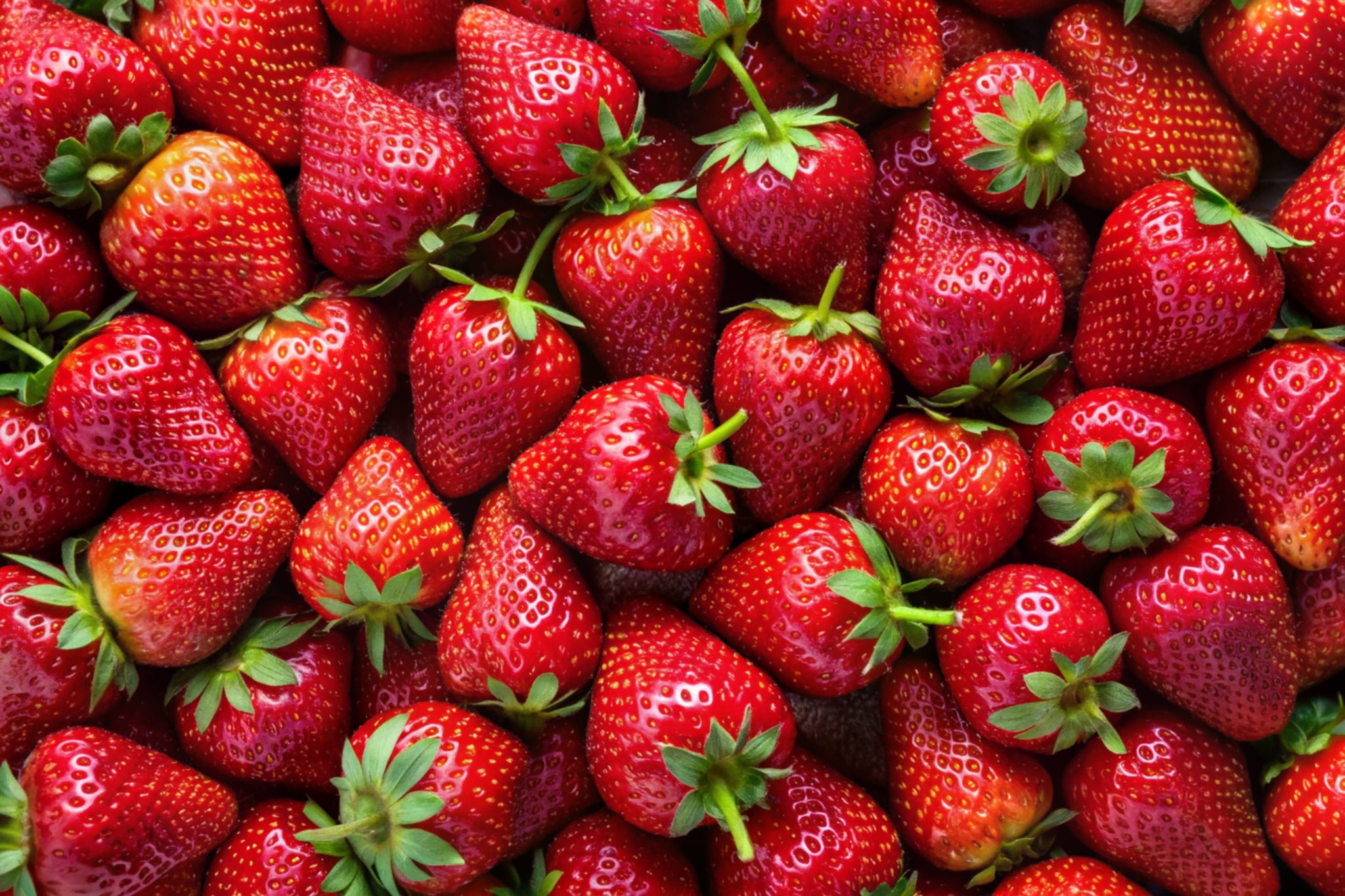
Dopamine responds to visual stimuli—which is exactly why vibrant colors can make a dish look particularly attractive. Use purple sweet potatoes, beets, fresh herbs, or even cranberries.Serving as a small ritual
The way a dish arrives at the table also affects our emotions. Layers, a surprise element, or even unusual serving dishes create a multi-sensory experience that triggers pleasure even before the first bite.Flavors connected to memory
Foods that remind us of home, childhood, summer camp, or grandma's cooking create an emotional release of dopamine. Give familiar dishes a contemporary twist while keeping their soul intact.Textures that make the body react
Crunchy, melting, hot paired with cold—every tactile stimulus like this awakens the brain and deepens the sense of enjoyment.
Ultimately, it’s not just a "pretty dish" or "tasty food". It’s a way to make people feel good—truly good. When the brain gets its dopamine hit, the diner feels connected, happy, and... wants to come again.
So if you want to check where happiness is hidden in your restaurant—start with the plate.
Because food that makes people happy isn't a trend—it’s a strategy.