?What's new at Zestt
Stories about food, thoughts on efficiency, successes we've been a part of, information about launches, episodes that have been released on the podcast, and other tidbits - everything is served here on our blog. Feel free to indulge
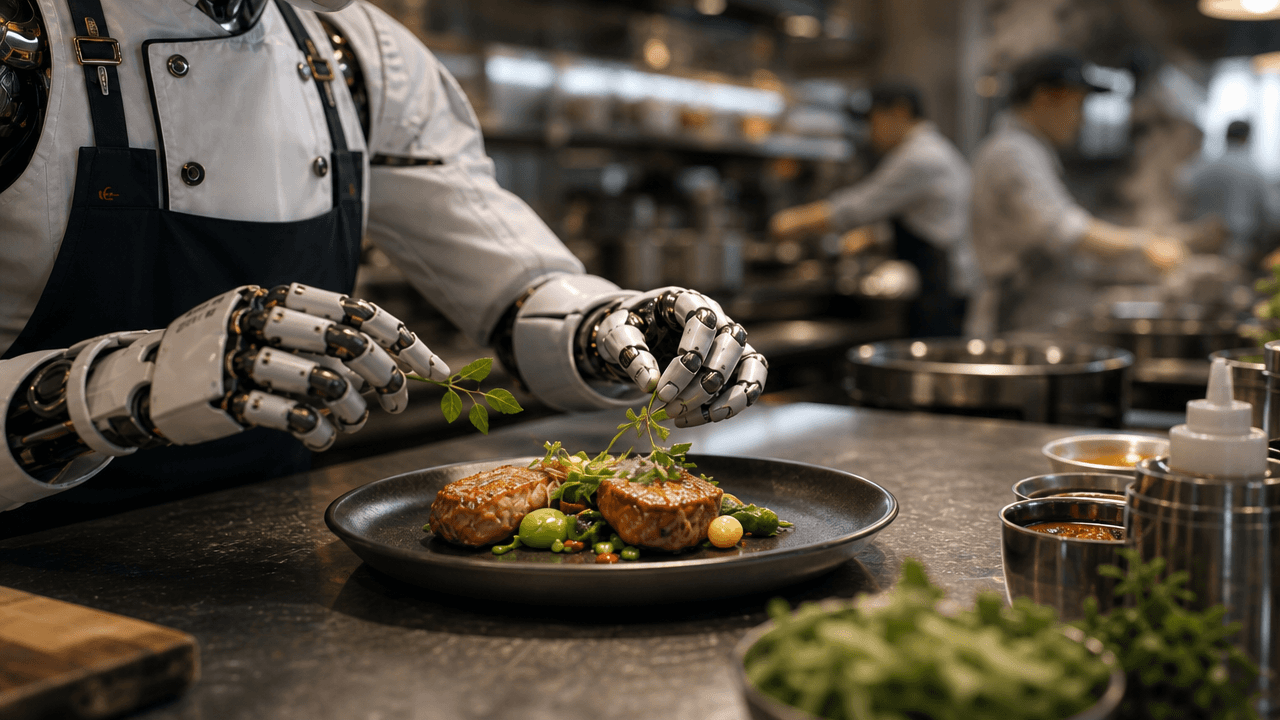
The AI revolution in the kitchen
Anyone who runs a kitchen or a restaurant knows that exhausting moment at the end of the month: you sit in front of piles of paperwork, crumpled invoices, and Excel sheets, looking at the Food Cost, realizing you threw away thousands of shekels worth of goods, and once again asking yourself—"How did we not predict this?". For years, inventory management operated the old-fashioned way: looking back and ordering based on what we sold last week. But let's be honest—the Israeli market of 2026 doesn't care about yesterday. With security volatility, weather changes, and platform commissions (Wolt and 10bis) choking profit margins—managing a business based on the past is like driving with your eyes on the rearview mirror.

Seasonal menu engineering
Running a successful restaurant requires flexibility and constant adaptation to market changes. Adjusting the menu and ingredients to the seasons is no longer just a culinary matter – but a critical business tool for maintaining financial stability, maximizing profits, and reducing waste to a minimum.

Restaurant Industry in Times of Emergency
The restaurant industry in Israel demands dynamic and smart management, especially during periods of uncertainty when manpower is reduced and consumption habits change. To bring order to the chaos, a technological platform like Zestt's allows you to maintain high operational efficiency.

From New York to Tel Aviv
For the Israeli restaurateur, the biggest challenge today is not just to serve good food, but to remain relevant in a saturated market where the customer has already "seen it all." In an era of social media and trips around the world, the local diner is looking for new excitements on the plate – they are no longer satisfied with standard pasta or hamburgers. Implementing trends and dishes from abroad that have yet to be discovered in the country is a smart business strategy designed to create true differentiation and attract an audience thirsty for innovation.

Happy Hour and Business Deals
For most restaurateurs, lunch specials and happy hours are the automatic solutions for down times. They fill tables, increase turnover, and create movement. But let's be real here: At the end of the month, is this actually generating money for you, or are you simply eroding your profit and overloading your staff? These deals aren't just "promotions"—they're strategic tools that need to be calculated. Here's how to know if your deal is a growth engine or a weight pulling your brand down.

COGS VS Food Cost
Imagine COGS as the gatekeeper—the one who checks all the costs involved in bringing your dishes to life. From the finest ingredients to the humble packaging, and even the labor costs of your loyal cooks, no expense escapes COGS' watchful eyes. It stands guard, ensuring that every shekel invested in the pursuit of gastronomic glory is accounted for. This includes not only the cost of ingredients used to prepare food but also other expenses directly related to food preparation and service, such as packaging, spices, and specific labor costs directly involved in production (like line cooks). By tracking and reviewing COGS, you can examine your efficiency and profitability, identify waste, streamline procurement processes, and even uncover opportunities to improve your menu offerings.

?Israeli winter = a crisis
Many restaurateurs in Israel tend to classify winter as a "weak season." Rain driving customers from outdoor seating, a general atmosphere that draws people home, and decreased pedestrian traffic are often seen as unavoidable fates. In actuality, Israeli winters are a golden opportunity to sharpen your management systems, optimize your menu, and build a long-term psychological impact on your customers. By using the right strategy and smart menu engineering, you can do more than just keep your head above water—you can actually be more profitable than in the summer. Here's how to turn lemons into lemonade (or onions into French Onion Soup) in three simple steps:

ZesttScan - our new feature
Whether it’s a restaurant manager, a shift lead, or an employee who volunteered to "tie up loose ends" with the suppliers—everyone can agree on one thing: nobody enjoys manually typing data into a system. That is exactly why we developed our new feature—“ZesttScan,” the smart scanner by Zestt. It's a solution that turns one of the most tedious processes—receiving goods—into one of the simplest and most efficient. So how does it work, and why can it change the way you manage your restaurant?

?Does money grow on trees
How to Build a BOM That Helps You Grow
The AI revolution in the kitchen
Anyone who runs a kitchen or a restaurant knows that exhausting moment at the end of the month: you sit in front of piles of paperwork, crumpled invoices, and Excel sheets, looking at the Food Cost, realizing you threw away thousands of shekels worth of goods, and once again asking yourself—"How did we not predict this?". For years, inventory management operated the old-fashioned way: looking back and ordering based on what we sold last week. But let's be honest—the Israeli market of 2026 doesn't care about yesterday. With security volatility, weather changes, and platform commissions (Wolt and 10bis) choking profit margins—managing a business based on the past is like driving with your eyes on the rearview mirror.
Seasonal menu engineering
Running a successful restaurant requires flexibility and constant adaptation to market changes. Adjusting the menu and ingredients to the seasons is no longer just a culinary matter – but a critical business tool for maintaining financial stability, maximizing profits, and reducing waste to a minimum.
Restaurant Industry in Times of Emergency
The restaurant industry in Israel demands dynamic and smart management, especially during periods of uncertainty when manpower is reduced and consumption habits change. To bring order to the chaos, a technological platform like Zestt's allows you to maintain high operational efficiency.
From New York to Tel Aviv
For the Israeli restaurateur, the biggest challenge today is not just to serve good food, but to remain relevant in a saturated market where the customer has already "seen it all." In an era of social media and trips around the world, the local diner is looking for new excitements on the plate – they are no longer satisfied with standard pasta or hamburgers. Implementing trends and dishes from abroad that have yet to be discovered in the country is a smart business strategy designed to create true differentiation and attract an audience thirsty for innovation.
Happy Hour and Business Deals
For most restaurateurs, lunch specials and happy hours are the automatic solutions for down times. They fill tables, increase turnover, and create movement. But let's be real here: At the end of the month, is this actually generating money for you, or are you simply eroding your profit and overloading your staff? These deals aren't just "promotions"—they're strategic tools that need to be calculated. Here's how to know if your deal is a growth engine or a weight pulling your brand down.
COGS VS Food Cost
Imagine COGS as the gatekeeper—the one who checks all the costs involved in bringing your dishes to life. From the finest ingredients to the humble packaging, and even the labor costs of your loyal cooks, no expense escapes COGS' watchful eyes. It stands guard, ensuring that every shekel invested in the pursuit of gastronomic glory is accounted for. This includes not only the cost of ingredients used to prepare food but also other expenses directly related to food preparation and service, such as packaging, spices, and specific labor costs directly involved in production (like line cooks). By tracking and reviewing COGS, you can examine your efficiency and profitability, identify waste, streamline procurement processes, and even uncover opportunities to improve your menu offerings.
The AI revolution in the kitchen
Anyone who runs a kitchen or a restaurant knows that exhausting moment at the end of the month: you sit in front of piles of paperwork, crumpled invoices, and Excel sheets, looking at the Food Cost, realizing you threw away thousands of shekels worth of goods, and once again asking yourself—"How did we not predict this?". For years, inventory management operated the old-fashioned way: looking back and ordering based on what we sold last week. But let's be honest—the Israeli market of 2026 doesn't care about yesterday. With security volatility, weather changes, and platform commissions (Wolt and 10bis) choking profit margins—managing a business based on the past is like driving with your eyes on the rearview mirror.
Seasonal menu engineering
Running a successful restaurant requires flexibility and constant adaptation to market changes. Adjusting the menu and ingredients to the seasons is no longer just a culinary matter – but a critical business tool for maintaining financial stability, maximizing profits, and reducing waste to a minimum.
Restaurant Industry in Times of Emergency
The restaurant industry in Israel demands dynamic and smart management, especially during periods of uncertainty when manpower is reduced and consumption habits change. To bring order to the chaos, a technological platform like Zestt's allows you to maintain high operational efficiency.
We also have specials
We send newsletters with interesting
information about the restaurant and hospitality
world. We promise not to disturb.
We also have specials
We send newsletters with interesting
information about the restaurant and hospitality
world. We promise not to disturb.
We also have specials
We send newsletters with interesting
information about the restaurant and hospitality
world. We promise not to disturb.